How Fast-Growing Megacities Are Rethinking Where Their Water Comes From
Rapid urban growth, ageing pipes and changing rainfall are pushing large cities to look beyond distant reservoirs. Recycling, leak repair and rainwater capture are becoming central to urban planning.

More than half of humanity lives in cities, and the number of urban areas with over ten million residents keeps climbing. Feeding these places with clean water has traditionally meant building ever larger dams and pipelines to draw supplies from further away. That model is under strain. Many cities are now treating water less as something to import and more as something to manage, reuse and conserve within their own boundaries.
The pressures building up
Several trends are converging. Urban populations in parts of Asia, Africa and Latin America are growing quickly, often in informal neighbourhoods that are hard to connect to formal networks. Rainfall patterns are becoming less predictable, with longer dry spells punctuated by intense storms. Groundwater, which many cities rely on, is being pumped faster than it recharges in some regions, and in certain places the ground itself is sinking as aquifers are depleted.
Meanwhile, much of the existing infrastructure is old. It is common for a large share of treated water to be lost through leaks before it ever reaches a tap, a figure engineers call non-revenue water. In some cities the losses are estimated at a third or more of total supply.
Fixing the pipes first
The least glamorous solution is often the most cost-effective. Finding and repairing leaks can free up significant volumes without building a new reservoir. Utilities increasingly divide their networks into smaller zones with meters at the boundaries, so that unexplained drops in pressure point to a specific area. Acoustic sensors and pressure management systems help crews locate leaks before they become visible bursts.
An engineer who has worked on network upgrades in several South Asian cities put it simply. "Every litre you stop losing is a litre you do not have to find, treat and pump from somewhere else," he said. "It is slow work street by street, but the returns are steady."
Every litre you stop losing is a litre you do not have to find, treat and pump from somewhere else.
Recycling and reuse
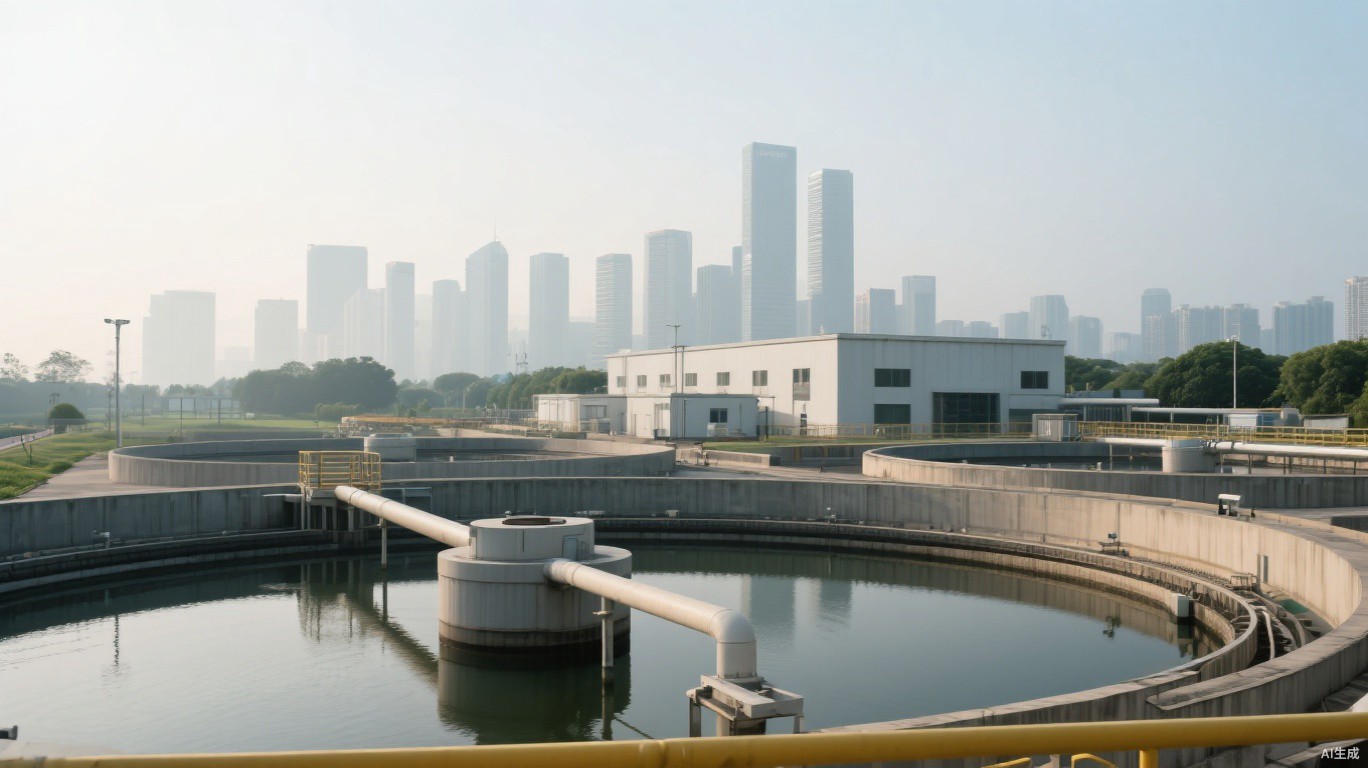
Treated wastewater is becoming a serious part of supply in water-stressed cities. Singapore has long recycled wastewater to a very high standard, mainly for industrial use and to top up reservoirs. Several cities in the American Southwest, Australia and southern Europe use recycled water for irrigation, industry and, in some cases, to recharge underground aquifers.
The technology is well established, combining membrane filtration, advanced oxidation and careful monitoring. The main obstacles tend to be cost and public perception. Communities are usually more comfortable when recycled water is used for parks, cooling towers or groundwater replenishment rather than piped directly to homes, and utilities that explain the process openly tend to build more trust.
Catching the rain
Many megacities face a paradox: they suffer both shortages and floods. Concrete and asphalt prevent rain from soaking into the ground, so storms produce fast runoff that overwhelms drains while aquifers stay depleted. The idea of the "sponge city", promoted widely in China and adopted in various forms elsewhere, tries to reverse this.
Common sponge city measures include:
- Permeable paving in car parks and pedestrian areas.
- Green roofs that slow and store rainfall.
- Wetlands and retention ponds within parks.
- Bioswales, which are planted channels along roads that filter and absorb runoff.
- Rainwater tanks in homes, schools and public buildings.
These features do not replace large infrastructure, but they reduce peak flood loads and return some water to the ground. They also make neighbourhoods greener and cooler, which matters as urban heat becomes a growing health concern.
Coastal cities in dry regions have increasingly turned to desalination. Modern plants using reverse osmosis are far more energy efficient than older designs, and pairing them with renewable power can reduce their carbon footprint. However, they remain expensive to build and operate, and the concentrated brine they discharge must be handled carefully to protect marine ecosystems. Most planners now see desalination as one component of a diversified portfolio rather than a complete answer.
Governance as much as engineering
Technical fixes only work if they are funded, maintained and fairly distributed. In many fast-growing cities, wealthier districts enjoy reliable piped supply while informal settlements depend on tanker trucks and pay far more per litre. Expanding connections, setting fair tariffs and supporting small community water providers are as important as any treatment plant.
Data is another quiet priority. Cities that know how much water they have, where it goes and who lacks access can plan with more confidence. Some have begun publishing water balance dashboards so residents can see reservoir levels and consumption trends.
The direction of travel is clear even if the pace varies. Rather than relying on a single distant source, resilient cities are building a mix of supplies, reducing losses and designing streets and parks to work with water instead of against it. For residents, that shift may show up as rain gardens on the corner, a new meter on the wall, or simply fewer days when the tap runs dry.