Eating Well on a Tight Budget: Practical Habits for Healthier, Cheaper Meals
Nutritious food does not have to be expensive. Planning ahead, choosing affordable staples and cooking simple meals in batches can help households eat better while keeping grocery bills under control.

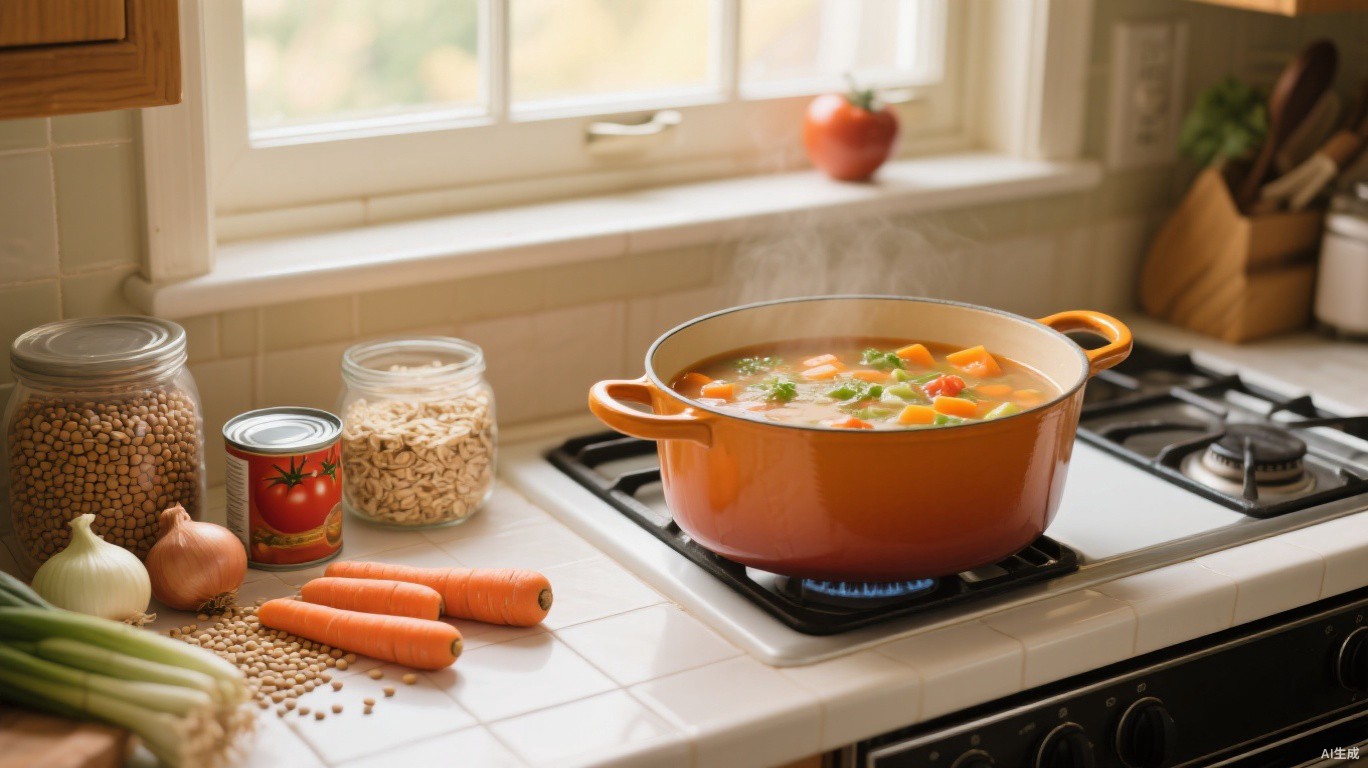
Rising grocery prices in recent years have forced many households to look harder at what goes into the shopping basket. A common assumption is that eating healthily costs more, and in some respects that can be true: fresh specialty products and convenience foods marketed as healthy often carry premium prices.
Yet many of the foods that nutrition guidance encourages, such as beans, lentils, oats, seasonal vegetables and frozen produce, are among the more affordable items in a typical supermarket. With some planning, a modest budget can support a varied and balanced diet.
Start With a Plan
The single most effective habit for many budget-conscious cooks is planning meals before shopping. Checking what is already in the cupboard, fridge and freezer, deciding on meals for the next several days and writing a list helps reduce both overspending and food waste.
Plans do not need to be rigid. A rough outline of five or six evening meals, with one flexible night for leftovers, works well for many households. Building meals around a few shared ingredients, such as a bag of carrots or a large tin of chickpeas used in several dishes, stretches money further.
The cheapest meal is the one you planned to make from food you already bought, rather than the takeaway you ordered because nothing was ready.
That remark, from a community dietitian in Glasgow who runs cooking workshops, reflects a theme many nutrition professionals return to. Planning reduces the moments when tiredness and an empty fridge push people towards more expensive options.
Affordable Foundations
Certain foods offer good nutritional value for relatively little money. Commonly recommended staples include:
- Dried or tinned beans, lentils and chickpeas, which provide protein and fibre.
- Oats, brown rice and wholemeal pasta as filling starchy bases.
- Frozen vegetables and fruit, which are often as nutritious as fresh and reduce waste.
- Eggs and tinned fish, such as sardines or mackerel, as versatile protein sources.
- Seasonal and loose fresh vegetables, which are often cheaper than pre-packed ones.
Tinned and frozen foods sometimes carry an unfair reputation. Tinned tomatoes, beans and fish keep for long periods and form the base of many simple dishes. When buying tinned products, choosing options with lower added salt or sugar where available is a sensible habit.
Shopping Strategies That Help
Comparing the unit price, often shown per kilogram or per 100 grams on shelf labels, gives a truer picture than the headline price. Larger packs are not always cheaper per unit, and multibuy offers are only good value if the food will actually be eaten.
Supermarket own-brand products are often similar in nutritional content to branded equivalents and considerably cheaper. Reading nutrition labels can help compare options, particularly for salt, sugar and saturated fat.
Shopping when not hungry, sticking reasonably closely to the list and being cautious with end-of-aisle promotions all help. Reduced-price items near their use-by date can be good value if they will be eaten or frozen promptly.
Cooking in Batches
Batch cooking turns a single session in the kitchen into several meals. Soups, stews, chillies, curries and pasta sauces made with beans and vegetables tend to freeze well and reheat easily. Cooking a large pot at the weekend can provide lunches and quick dinners through a busy week.
This approach also makes cheaper cuts of meat, which often benefit from slow cooking, easier to use. Adding lentils or beans to meat dishes is a common way to stretch them further while adding fibre.
Basic food safety matters with batch cooking. Cool cooked food reasonably quickly, refrigerate or freeze it within the time recommended by your local food safety authority, label containers with dates and reheat thoroughly until piping hot.
Food that ends up in the bin is money lost. Storing produce correctly, keeping older items at the front of the fridge and freezing bread, ripe bananas or leftover portions before they spoil can all make a difference. Understanding the difference between use-by dates, which relate to safety, and best-before dates, which relate to quality, also helps avoid discarding food unnecessarily.
Leftover vegetables can go into soups, omelettes or stir-fries. Stale bread can become breadcrumbs. A weekly use-it-up meal, assembled from whatever needs eating, is a habit many thrifty cooks swear by.
A Note on Individual Needs
General guidance on healthy eating suits most people, but individual needs differ. Anyone managing a medical condition, food allergy, pregnancy or significant dietary restriction should seek advice from a doctor or registered dietitian rather than relying on general tips. Many areas also offer local support for people struggling to afford food, including community food programmes and advice services.
Eating well on a budget is less about finding a perfect formula and more about steady, practical habits: planning ahead, choosing good-value staples, cooking simply and wasting less. Over time, those habits tend to make meals both healthier and more affordable, and often more enjoyable to cook as well.