How Ageing Populations Are Changing the Shape of Everyday Neighbourhood Life
As the share of older residents grows across Europe, East Asia and beyond, towns are adjusting shops, transport, housing and public spaces. Many changes benefit people of every age.

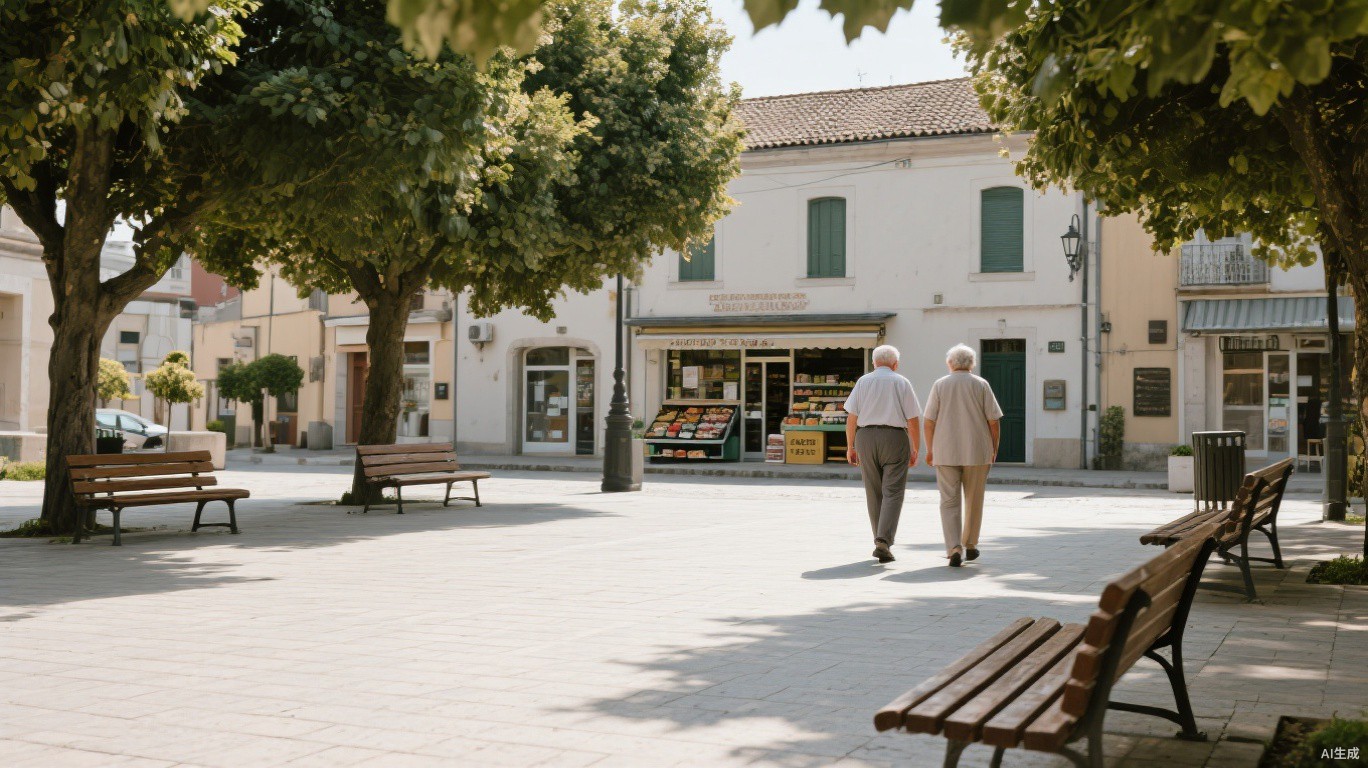
In a growing number of countries, people aged 65 and over now outnumber children under 15. Japan, Italy, Germany, Portugal and South Korea are among the places where this demographic shift is well advanced, and many others are following. Discussions of ageing often centre on pensions and healthcare budgets. Less attention goes to the everyday environment: the bus stop, the corner shop, the bench outside the library. Yet that is where the change is most visible.
A different kind of neighbourhood
Older residents tend to spend more time close to home. That makes the local area, often defined as the distance someone can comfortably walk in fifteen or twenty minutes, especially important. When shops, clinics and meeting places are within reach, people can stay independent for longer. When they are not, even a short trip can become a barrier.
In many towns, the retreat of local banks, post offices and grocers over the past two decades has made this harder. At the same time, some communities are rediscovering the value of mixed, walkable neighbourhoods, partly in response to the needs of older residents.
Small design changes with large effects
Planners and charities working on age-friendly communities often point to modest, low-cost improvements. Among the most frequently cited:
- Benches placed at regular intervals along main walking routes.
- Level, well-maintained pavements with dropped kerbs at crossings.
- Longer green-light times at pedestrian crossings.
- Accessible public toilets in town centres and parks.
- Clear signage and good street lighting.
None of these are dramatic, but together they can determine whether an older person feels confident going out alone. They also help parents with pushchairs, people with temporary injuries and anyone carrying heavy shopping.
Helen, a retired teacher in a market town in northern England, said a new bench halfway up the hill to the high street changed her routine. "Before, I would wait until my son could drive me," she said. "Now I walk in most days and stop for a rest on the way."
Small changes, like a bench halfway up a hill, can decide whether someone goes out alone or stays at home.
Housing that adapts
Many older people live in homes designed for a younger stage of life, with stairs, narrow doorways and gardens that become hard to maintain. Moving is not always attractive or possible, especially if there are few suitable smaller homes nearby.
Several approaches are gaining ground. Adaptation grants help fit grab rails, walk-in showers and stairlifts. Some developers are building accessible flats in town centres, close to shops and transport. Co-housing schemes, where residents have private homes but share common spaces and organise activities together, have attracted interest in the Netherlands, Denmark and elsewhere. There is also growing interest in intergenerational arrangements, such as students living with older homeowners at reduced rent in exchange for companionship or light help around the house.
Transport and connection
For people who no longer drive, public transport can be the difference between an active life and isolation. Rural areas face particular challenges where bus routes have been cut. Community transport services, demand-responsive minibuses and volunteer driver schemes fill some of the gaps, though funding is often fragile.
Social connection matters as much as physical access. Libraries, community centres and places of worship act as informal hubs. So do cafes and barbers where staff know regular customers by name. Some towns have trained shop workers and bus drivers to recognise signs of confusion or distress, an approach associated with dementia-friendly community initiatives.
An older population also changes local economies. Older residents are often loyal customers who shop locally, volunteer and take part in civic life. Many continue working part-time or run small businesses. Firms that design for accessibility, from clear product labels to comfortable seating, frequently find these changes appeal to customers of every age.
There are workforce questions, too. Care work, home adaptation and local services will need more staff, and towns are considering how to attract and keep younger workers, including through affordable housing for care staff close to where they work.
Designing for every age
A common theme among those working on these issues is that age-friendly places are simply good places. Walkable streets, accessible buildings, reliable transport and welcoming public spaces benefit teenagers, young families and disabled residents as well as older people. Framing the work this way can also reduce the sense that ageing is a burden to be managed.
The demographic shift is gradual but steady, and its effects will be felt in almost every community over the coming decades. Towns that start with practical, everyday improvements, rather than waiting for a single grand plan, are likely to adapt most smoothly. Often the first step is as simple as asking older residents where they would like to sit down.