Slow Travel by Train Is Reshaping How Europeans Plan Their Holidays
Night trains, regional lines and rail passes are drawing travellers away from short-haul flights. Here is what the shift looks like in practice, and how to plan a rail journey that actually works.

For a long time, the train was what you took when the flight was too expensive or the airport too far away. That calculation has quietly flipped for a growing number of travellers in Europe. Rail is no longer only the backup option; for many it has become the point of the trip.
The reasons are partly practical and partly emotional. City-centre stations remove the long transfer to an outlying airport. Security queues are short or absent. Luggage limits are generous. And the journey itself, once treated as dead time, has become something people now plan around and talk about afterwards.
Why the Train Feels Different Now
Several trends have converged. Overnight sleeper services have returned on routes that had been cut a decade or more ago, linking capitals and secondary cities in ways that turn a long transfer into a night of sleep. High-speed lines have shortened journey times between many major cities to the point where door-to-door times compete with flying. Meanwhile, regional networks in countries such as Switzerland, Austria and Italy have continued to offer dense, reliable connections into smaller towns.
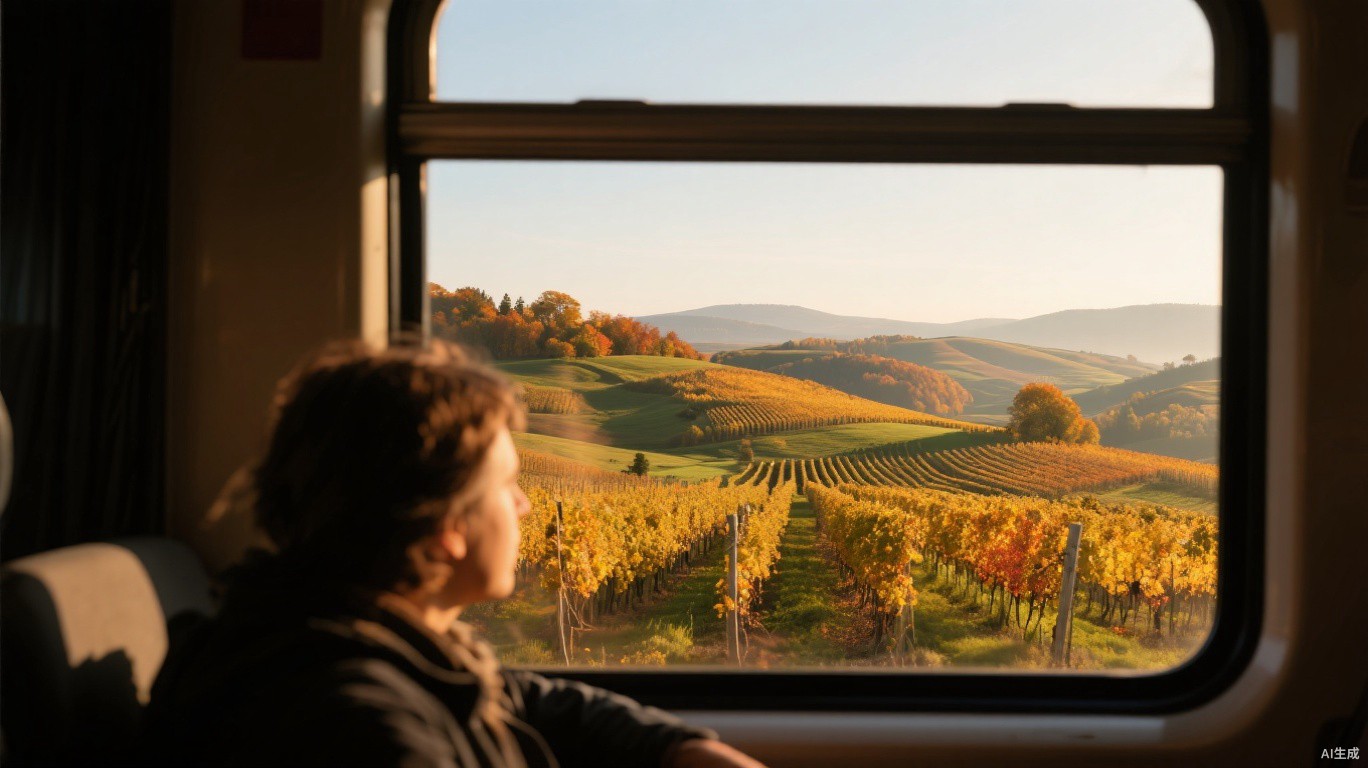
There is also a cultural element. Many travellers say they want a holiday that feels less rushed and less transactional. A train offers a gradual change of scenery: farmland giving way to mountains, coastlines appearing and disappearing, languages changing on station announcements. A hotel manager in Porto described noticing more guests who arrive "already relaxed", having spent a day or two getting there by rail rather than a few frantic hours in transit.
The journey stops being the obstacle between you and the holiday and starts being part of the holiday itself.
What It Costs, Honestly
Rail travel is not always cheaper than flying, and anyone planning a trip should go in with realistic expectations. Advance fares on high-speed routes can be very good value, but walk-up tickets on popular lines are often expensive. Sleeper compartments with private beds cost more than a seat, though they also replace a night in a hotel.
Rail passes can make sense for itineraries with many stops or for travellers who value flexibility, but they are not automatically the best deal. Many high-speed and night trains require a seat or berth reservation on top of the pass, and these supplements add up. For a simple trip between two or three cities, buying point-to-point tickets early is frequently cheaper.
A useful approach is to price the trip both ways before committing. Compare the pass, including likely reservation fees, against individual advance tickets for the same route. The difference can be surprisingly large in either direction.
Planning a Rail Journey That Works
The most common mistake is trying to cover too much ground. Rail rewards a slower pace, and itineraries that look reasonable on a map can become exhausting when every day involves a long journey and a new hotel. A good rule of thumb is to spend at least two nights in each place and to limit long travel days to every third or fourth day.
Some practical points that experienced rail travellers tend to agree on:
- Book long-distance and night trains as early as booking opens, as cheaper fares and private compartments sell out first.
- Leave generous buffers when connecting between different operators, especially across borders.
- Pack food and water for long journeys, since dining cars are not guaranteed and can be pricey.
- Download tickets and timetables for offline use in case mobile coverage drops in tunnels or rural areas.
- Check whether your route crosses a border that requires a separate ticket or reservation system.
It also helps to understand passenger rights. Within the European Union, rail travellers are generally entitled to some compensation or rerouting when delays exceed set thresholds, although the exact rules vary depending on the ticket type and whether the journey was booked as a single through ticket. Keeping a single booking for connecting legs often gives better protection than buying each segment separately.
The Environmental Question
Many travellers cite climate concerns as a reason for choosing rail, and the comparison does generally favour trains, particularly electrified routes. The precise difference depends on how the electricity is generated and how full the train is, so figures vary from country to country. But for most journeys of a few hundred kilometres, rail produces substantially lower emissions per passenger than a short-haul flight.
That said, environmental motivations alone rarely sustain a habit. What tends to keep people coming back is the experience: reading for hours without interruption, arriving in the middle of a city, and watching the landscape change. A retired teacher travelling from Brussels to Vienna put it simply: the train gave her "a day of not being anywhere in particular", something she found she valued more than the time saved by flying.
Where Rail Still Falls Short
None of this means rail is perfect. Ticketing across borders remains fragmented, with different operators, apps and rules. Some night trains are popular enough that they sell out months in advance. Delays on long routes can cascade into missed connections, and engineering works can disrupt services with relatively short notice.
For travellers with tight schedules, rail may still be the harder choice. But for those with a little flexibility and a willingness to treat the journey as part of the experience, Europe's railways offer one of the most rewarding ways to see the continent. The best rail trips tend to be the ones planned with fewer destinations, more time in each, and an open mind about what happens between stations.