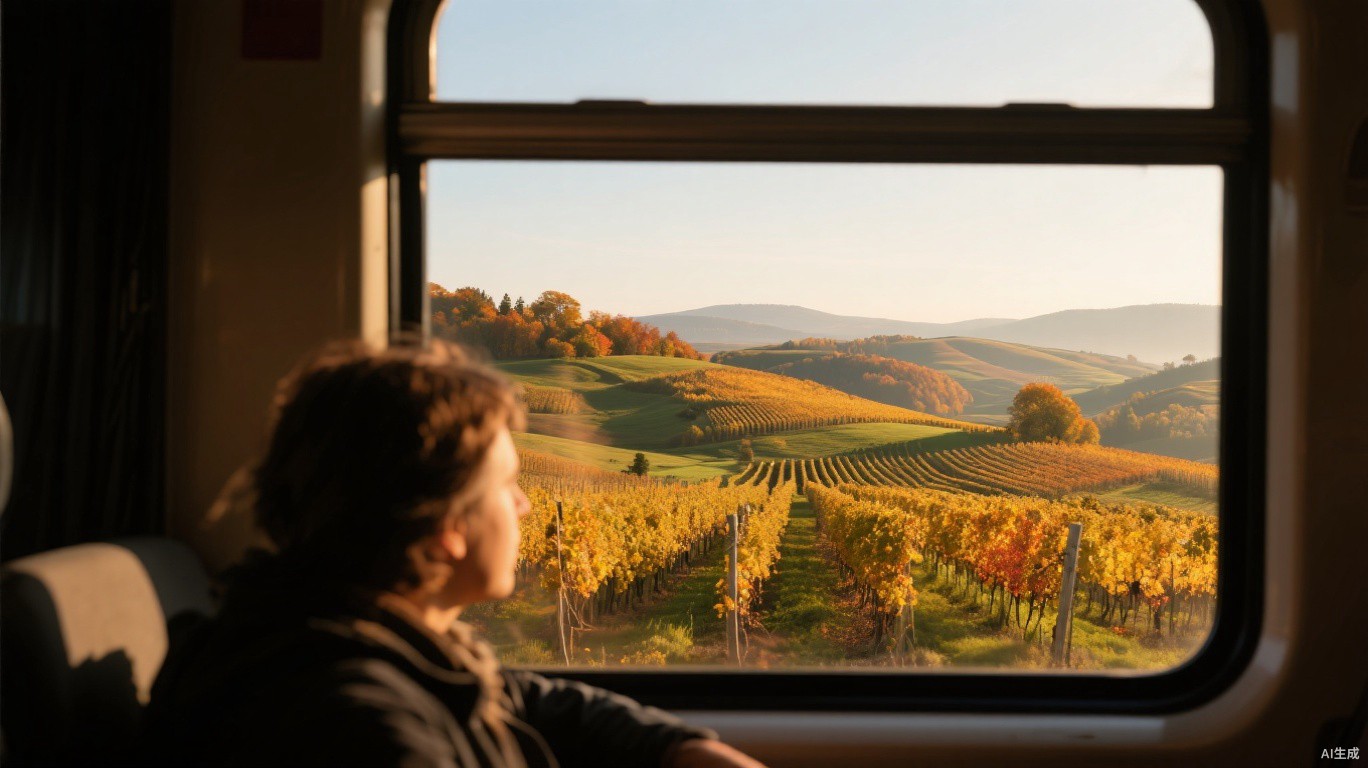
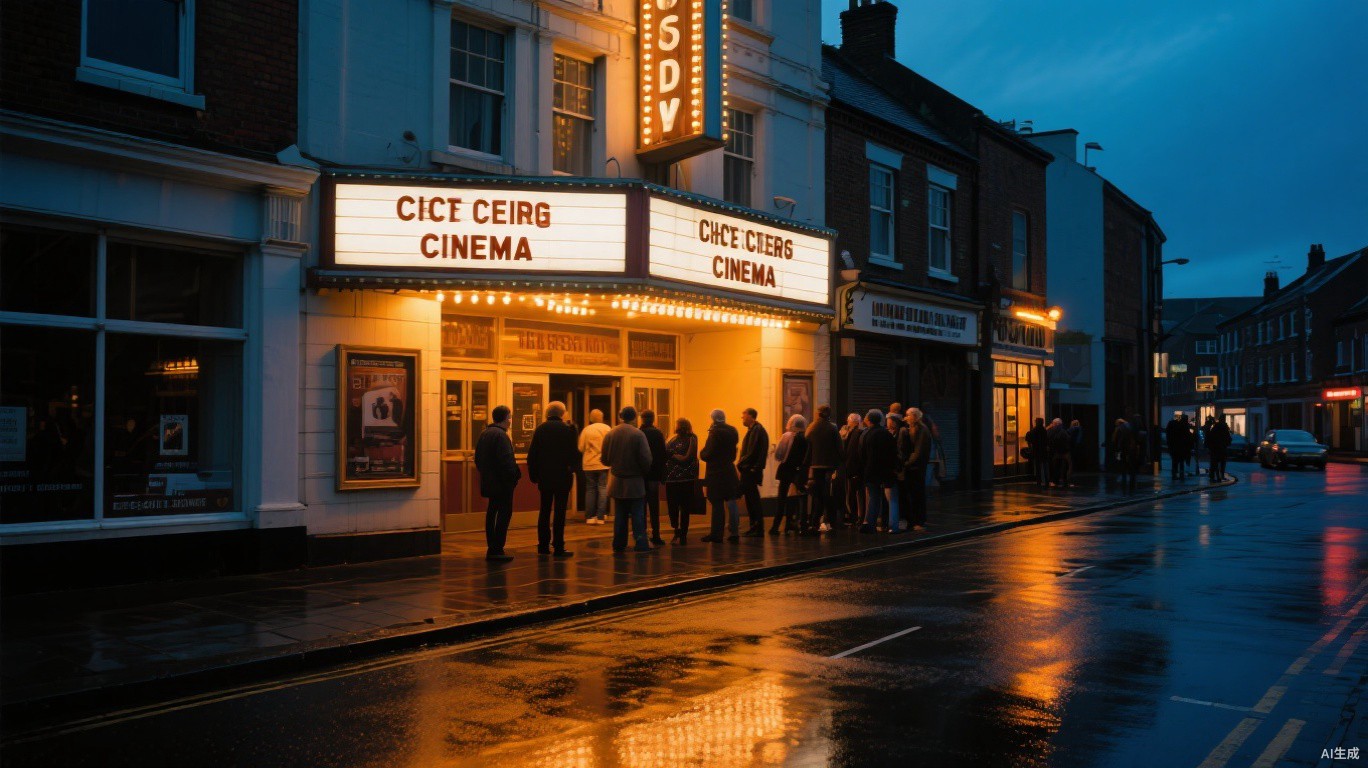
Why Shoulder-Season Travel Offers Better Value and a Calmer Experience
Travelling just before or after peak months can mean lower prices, thinner crowds and milder weather. A practical look at when the shoulder season works, and when it does not.

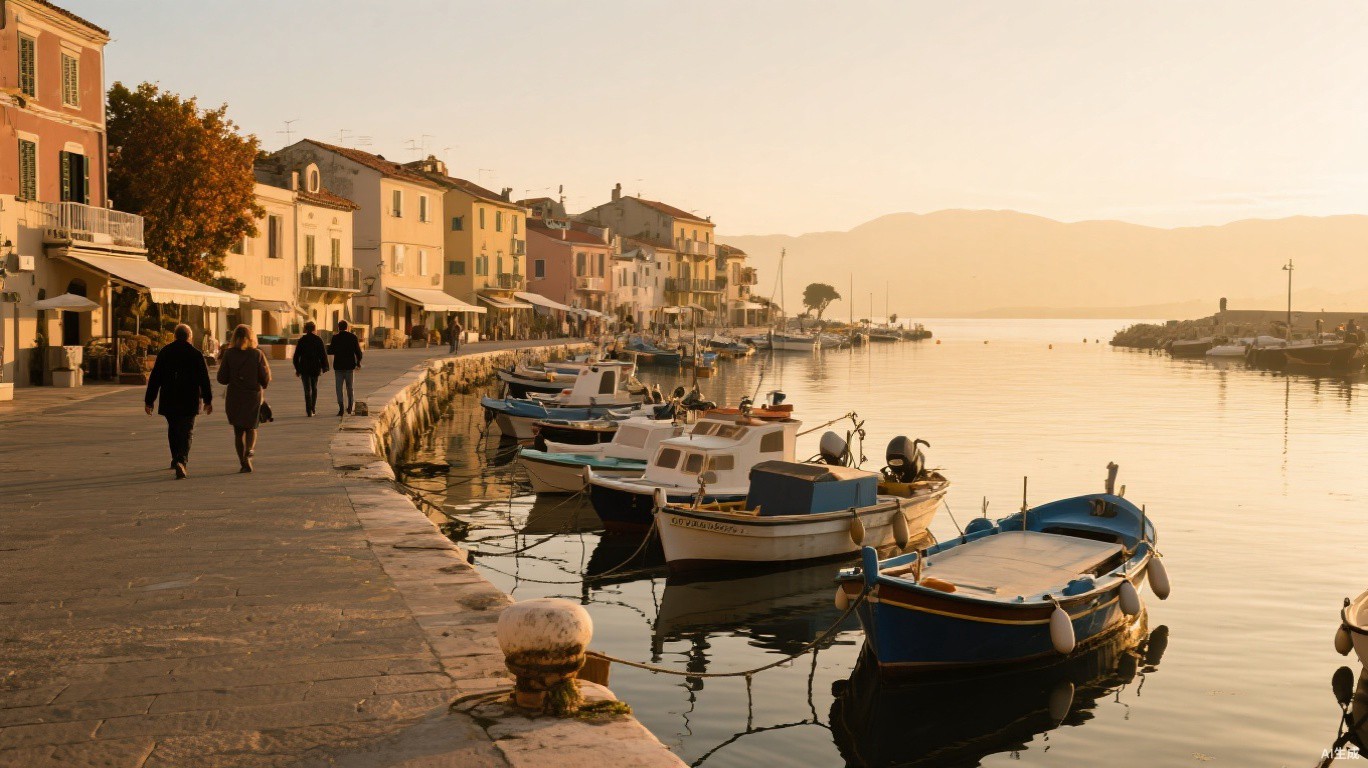
Every year, popular destinations go through the same cycle. In high summer, beaches fill, museum queues stretch around the block and hotel prices climb steeply. A few weeks later, the crowds thin, prices soften and the weather, in many places, remains pleasant. That in-between period is known in the industry as the shoulder season, and it has become one of the most reliable ways for travellers to get more from a trip.
The idea is not new, but interest in it has grown as peak-season crowding has become a talking point in cities from Barcelona to Venice to Kyoto. Travellers who once defaulted to July and August are increasingly looking at May, June, September and October instead.
What Counts as Shoulder Season
There is no universal definition. In much of southern Europe, the shoulder months are roughly April to early June and mid-September to October. In Northern Europe, where summers are shorter, the window is narrower. In the Southern Hemisphere, the pattern is reversed, so destinations in Australia or South America have their shoulder months at different times of year.
Local calendars matter too. School holidays, religious festivals and major events can push prices up even outside the traditional peak. A city may be quiet in late September except for the week of a large trade fair, when hotel rates suddenly double. Checking a destination's event calendar before booking is a simple step that can save a lot of money.
The Main Advantages
The benefits tend to fall into a few clear categories:
- Lower prices on accommodation and, often, flights and rail fares.
- Shorter queues at museums, historic sites and popular restaurants.
- More comfortable temperatures for walking and sightseeing in hot climates.
- Greater availability, making it easier to book well-reviewed places at short notice.
- A more relaxed atmosphere, with local residents less stretched by visitor numbers.
That last point is worth dwelling on. In many heavily visited places, the relationship between residents and tourists can become strained during peak months. Spreading visits across the year eases pressure on housing, transport and public spaces. A café owner on a Greek island described the shoulder months as the time when she finally has a chance to talk to her customers rather than simply serving them.
In the quieter months, a destination often feels less like a stage set and more like a place where people actually live.
The Trade-Offs to Consider
Shoulder-season travel is not without drawbacks. Weather is less predictable, particularly at the edges of the season. A beach holiday in late October might deliver warm sunshine or a week of rain, depending on the year. Sea temperatures lag behind air temperatures, so water that was pleasant in August may feel cool by mid-autumn.
Some services also scale down. Ferry timetables in island regions are often reduced outside summer, and some seasonal restaurants, beach clubs and tour operators close entirely. In mountain areas, there can be an awkward gap between the end of hiking season and the start of ski season, when lifts are closed for maintenance and some hotels shut for a few weeks.
Daylight hours are shorter, too, which affects how much you can fit into a day. This matters most in northern latitudes, where the difference between June and October can be several hours.
How to Plan Around It
The most effective approach is to research the specific destination rather than relying on general rules. Look at average temperatures and rainfall for the exact weeks you are considering. Check whether key attractions, transport links and accommodation remain open. If you are relying on ferries or mountain transport, confirm the reduced timetables before booking anything else.
Flexibility pays off. Being able to shift dates by a week or two can make a noticeable difference to both price and conditions. Booking accommodation with a free cancellation policy also gives room to adjust if a better option appears or the forecast looks poor.
It also helps to choose destinations whose appeal does not depend entirely on the weather. Cities with strong museum, food and architectural offerings tend to work well in any season. Lisbon in October, for example, usually offers mild days, a lively cultural calendar and neighbourhoods that are pleasant to explore on foot, even if the evenings are cooler.
A Shift in Habits
Industry observers have noted that more travellers are deliberately spreading their trips across the year, helped in part by more flexible working arrangements. Some destinations actively encourage this, promoting off-peak events and festivals to attract visitors outside the busiest months.
For travellers, the shoulder season is not a secret trick but a sensible strategy. It rewards a little extra research and a willingness to accept some uncertainty about the weather. In return, it often delivers a trip that feels more spacious, more affordable and closer to the everyday life of the place being visited.