Why Vinyl Records and Physical Media Keep Finding New Audiences
In an age of instant streaming, sales of records, CDs and even cassettes have held up remarkably well. We look at who is buying physical media, and what they say they get from it.

Streaming made almost all recorded music available instantly, on any device, for a modest monthly fee. By most logic, that should have been the end of buying physical records. Instead, vinyl has enjoyed a long and steady revival, and other formats, from CDs to cassettes and even physical film releases, have found loyal audiences of their own.
This is not a return to the past so much as a new role for physical media alongside digital services. Most people who buy records also stream. What has changed is why they buy.
A Format That Refused to Disappear
Vinyl sales had dwindled to a niche by the early 2000s, kept alive mainly by DJs, collectors and independent shops. Over the following years, interest began to climb again, helped by events celebrating independent record stores and by labels reissuing classic albums. Industry figures in several countries now show vinyl as a significant part of physical music sales, and in some markets it has outsold CDs by revenue.
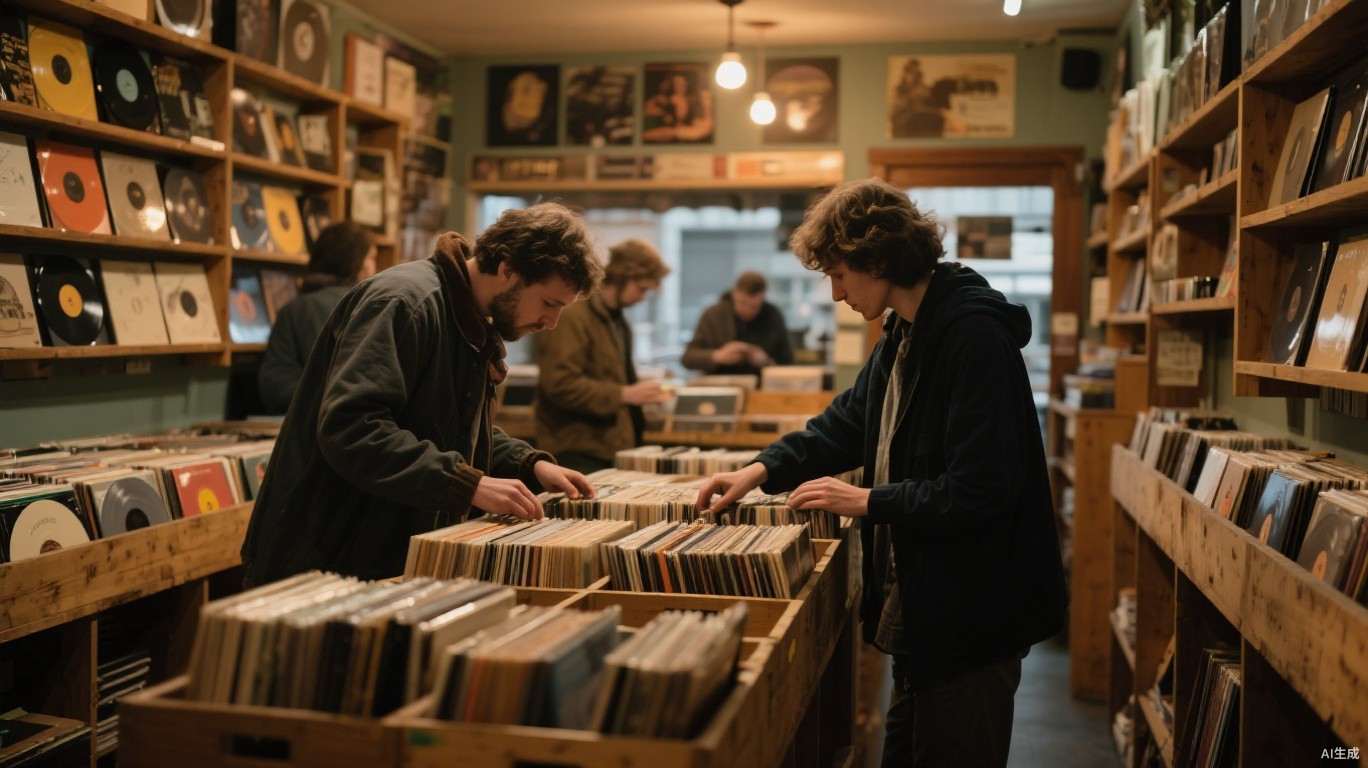
Perhaps the most striking feature of the revival is the age of many buyers. Record shop staff frequently report that a large share of their customers are teenagers and people in their twenties, many of whom grew up entirely with digital music.
What Buyers Say They Want
Ask people why they buy records and a few themes come up repeatedly. Sound quality is sometimes mentioned, though audio experts debate how much vinyl differs from high-quality digital files, and much depends on the equipment used. More often, buyers talk about the experience and the object itself.
Common reasons include:
- The large artwork, liner notes and packaging, which feel more substantial than a thumbnail on a screen.
- The ritual of choosing a record and listening to a whole album side without skipping.
- A sense of ownership that streaming, which works more like renting, does not provide.
- A direct way to support favourite artists, since physical sales can be more lucrative per purchase than streams.
- The social side of browsing shops, swapping recommendations and attending in-store events.
A record shop owner in Glasgow said many younger customers describe vinyl as a way to slow down. On a phone, she noted, music competes with notifications and endless choice; on a turntable, it gets your full attention for twenty minutes at a time.
On a turntable, an album gets your full attention for twenty minutes at a time, and many listeners say that is exactly the point.
Beyond Vinyl
The renewed interest in owning things has spread to other formats. CDs, long considered outdated, have seen pockets of renewed interest, partly because they are cheaper than vinyl and partly because some fans buy them as collectables. Cassettes have a small but enthusiastic following, particularly among independent and experimental artists who release limited runs.
Physical film releases have also found a dedicated audience. Specialist labels produce carefully restored editions of classic and cult films, often with extensive extras and booklets. Collectors point out that titles can disappear from streaming platforms without warning, whereas a disc on the shelf remains available. Concerns about licensing changes and content being removed from digital libraries have made some viewers more interested in owning copies of films they value.
The Practical Side
The revival has its challenges. Vinyl is expensive to produce, and new records often cost considerably more than a month of streaming. Pressing plants have at times struggled with demand, leading to delays for smaller artists and labels. Records also need care: they scratch, warp in heat and require decent playback equipment to sound their best.
For newcomers, a few points are worth knowing. A modest turntable with an adjustable tonearm and a decent pair of speakers will usually sound better than very cheap all-in-one players, which can be harsh on records over time. Second-hand records can be excellent value, especially from shops that grade the condition of their stock. Storing records upright, away from heat and direct sunlight, keeps them in good shape for decades.
Why It Matters
Physical media is unlikely to replace streaming, and that is not really the aim. For most listeners and viewers, the two coexist: streaming for discovery and convenience, physical formats for the music and films that matter most.
What the revival does show is that convenience is not the only thing people value in entertainment. Ownership, ritual, artwork and the pleasure of a shared space like a record shop all still count for something. For artists and independent shops, that interest provides a valuable source of income. For buyers, it offers a different, more deliberate way of enjoying the things they love.