Hybrid, Electric or Petrol: A Clear Guide to Choosing Your Next Car
There is no single right answer to the powertrain question. Your mileage, parking situation, budget and driving patterns matter far more than headlines, and this guide explains how to weigh them.

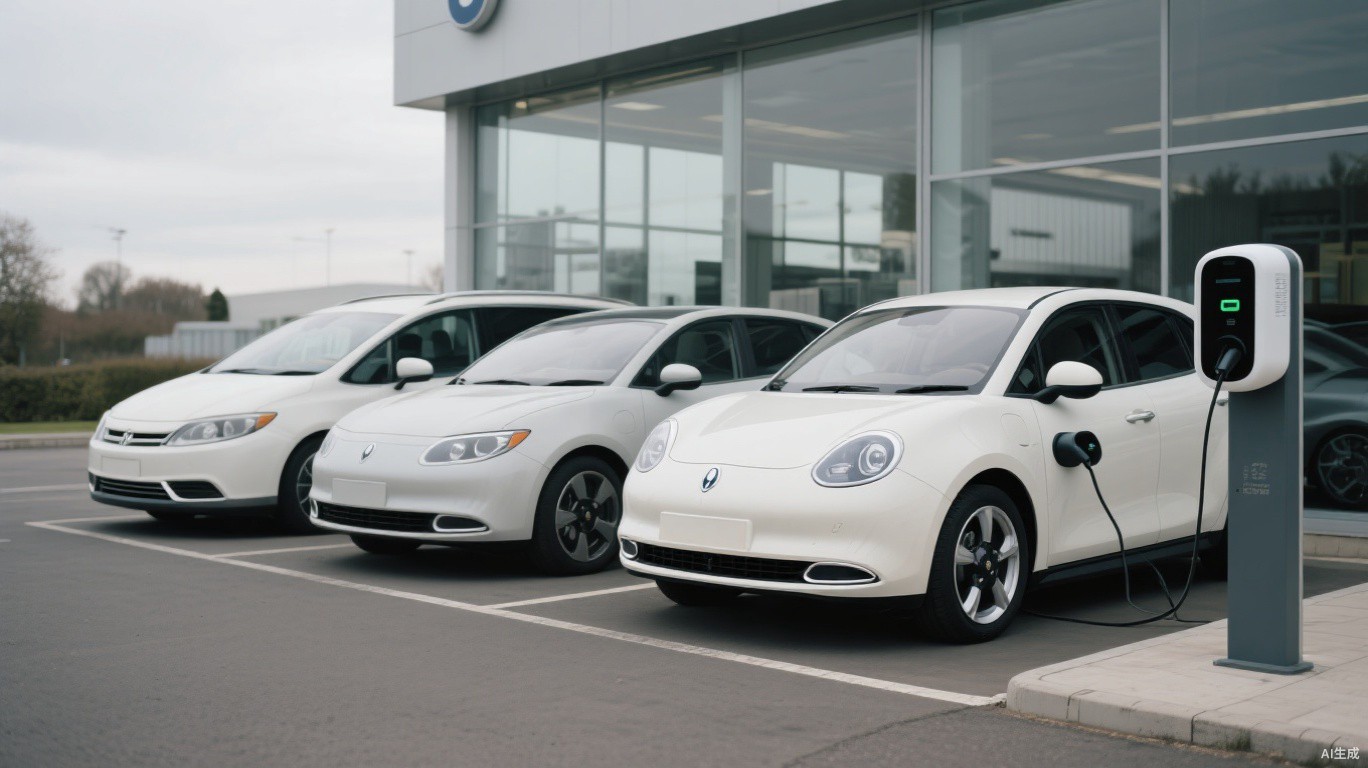
Walk onto a car dealer's forecourt today and the choice of powertrain can feel more confusing than the choice of model. Petrol, diesel, mild hybrid, full hybrid, plug-in hybrid and fully electric options often sit side by side, sometimes within the same model range. Each has genuine strengths, and each suits some drivers far better than others.
Rather than asking which technology is best in the abstract, it helps to ask which one fits the way you actually use a car. That shift in framing tends to make the decision much clearer.
Understanding the Options
A conventional petrol car remains the simplest proposition. Purchase prices are often lower, refuelling is quick and familiar, and the used market is large. The trade-off is higher fuel costs per mile and higher tailpipe emissions, along with the possibility of tighter rules in some city centres over time.
A full hybrid pairs a petrol engine with an electric motor and small battery that charges itself through braking and the engine. You never plug it in. Hybrids tend to be most efficient in stop-start urban traffic, where the electric motor does more of the work.
A plug-in hybrid carries a larger battery that can be charged from the mains, giving a limited all-electric range for short trips, with the petrol engine available for longer journeys. Its efficiency depends almost entirely on whether the owner charges it regularly. Driven mostly on petrol with a flat battery, it can be less economical than a regular hybrid because of the extra weight.
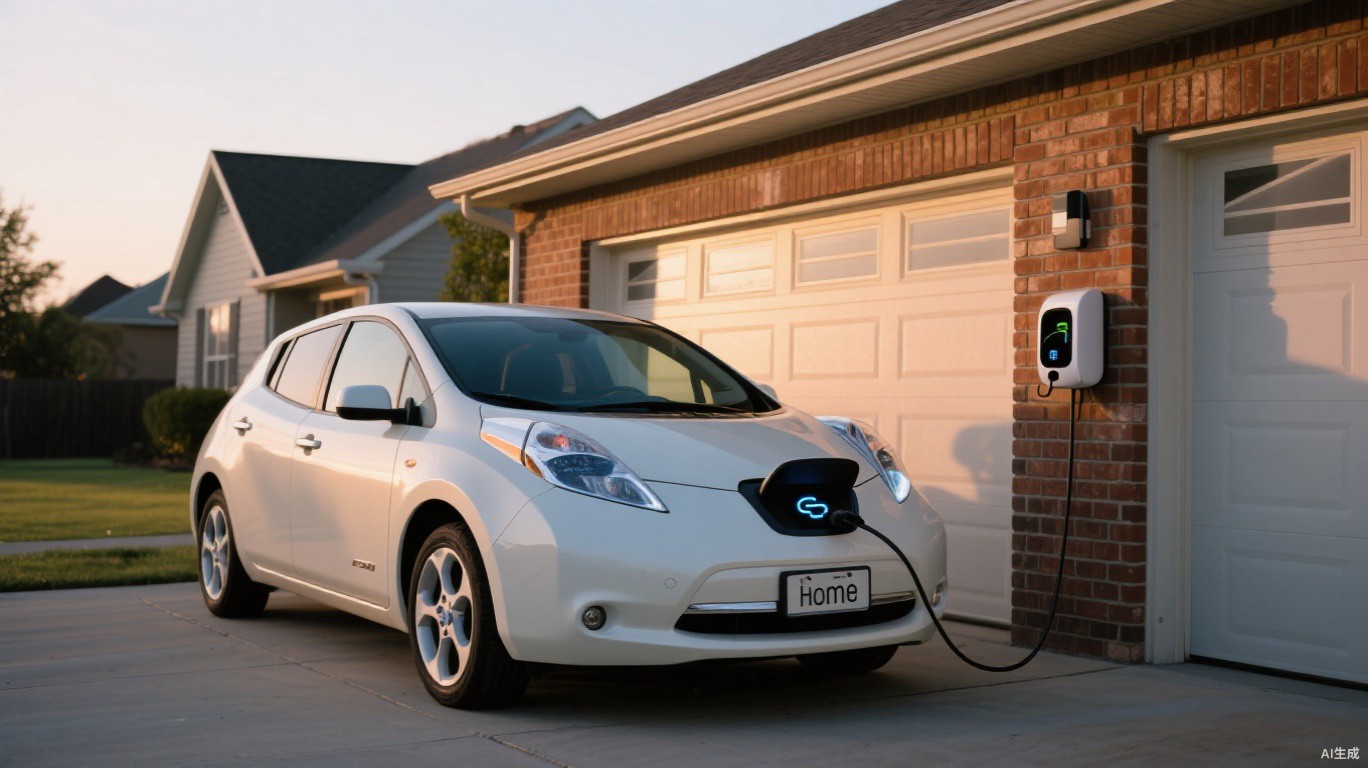
A fully electric car runs entirely on its battery. Running costs can be very low, especially with home charging on an off-peak tariff, and maintenance is typically simpler because there are fewer moving parts. Purchase prices, though falling, can still be higher, and long trips require some planning around public chargers.
Start With How You Drive
The single most useful exercise is to look honestly at a typical month of driving. A rough log of journeys, distances and where the car spends the night says more than any brochure.
Buyers often choose for the one long holiday trip they take each year and ignore the three hundred short journeys they make the rest of the time.
That observation, from a used car adviser in Leeds, captures a common mistake. If nearly all your trips are under fifty miles and you can charge at home, an electric car or plug-in hybrid may suit you well, even if you occasionally need to stop and charge on a longer journey. If you regularly cover long motorway distances with little time to stop, a hybrid or efficient petrol car may be less stressful.
Before visiting a dealer, it is worth answering a short list of questions:
- Can you charge at home or at work, reliably and affordably?
- How many miles do you drive in a typical week, and how many long trips per year?
- How long do you plan to keep the car, and will you buy, lease or finance it?
- Are there low-emission zones or congestion charges where you live or work?
- How important are quick refuelling and minimal planning for your routine?
The answers usually narrow the field quickly. Home charging access, in particular, is often the deciding factor for electric and plug-in hybrid ownership.
Looking at Total Cost, Not Just Price
The sticker price is only one part of the picture. Total cost of ownership includes depreciation, fuel or electricity, insurance, servicing, tax and any local charges. An electric car with a higher purchase price can work out cheaper over several years if energy and maintenance savings are large enough, but that depends on local electricity prices, tax rules and how many miles you drive.
Insurance premiums vary by model and can sometimes be higher for electric cars because of repair costs. It is worth getting quotes before committing. Equally, check what warranty covers the battery in any hybrid or electric car, since that is usually the most expensive single component.
Depreciation is harder to predict. Used values for different powertrains have moved considerably in recent years as technology and incentives have shifted. Leasing can reduce exposure to that uncertainty, although it brings its own mileage limits and condition requirements.
Test Drives Matter More Than Ever
Hybrid and electric cars can feel quite different from what many drivers are used to. Regenerative braking, which slows the car as you lift off the accelerator, takes some adjustment. The instant response of an electric motor surprises some people. A proper test drive, ideally on roads you use regularly, reveals whether the car suits you.
If you are considering an electric car, ask whether you can borrow one for a day or longer, or rent one for a weekend. Living with it through a normal routine, including a charge or two, answers questions no showroom conversation can.
Making Peace With Compromise
Every option involves a trade-off. Electric cars ask for some planning on long trips; hybrids still use fuel; petrol cars cost more to run and may face future restrictions. The best choice is the one whose compromises you notice least in daily life.
Taking time to understand your own driving patterns, comparing realistic running costs and testing the car properly will lead to a better decision than following the loudest opinion. The technology will keep changing, but those basic principles of choosing a car that fits your life are likely to stay the same.